How Regular Welding Inspection Madison Can Save You Time and Money
Discovering Advanced Devices and Approaches for Accurate Welding Examination
In the world of welding assessment, the pursuit of precision and integrity is extremely important, stimulating the development of sophisticated tools and methodologies. Technologies such as phased array ultrasonic testing and electronic radiography are revolutionizing flaw discovery, supplying unequaled accuracy in characterizing welding defects. Laser scanning innovations and automated examination systems, furnished with synthetic knowledge, are redefining the landscape by reducing human mistake and improving safety procedures. As these sophisticated techniques remain to progress, they assure not only to transform evaluation methods yet also to raise fascinating inquiries concerning the future of top quality guarantee in industrial applications.
Ultrasonic Checking Advancements
Ultrasonic screening developments often represent the forefront of innovations in welding evaluation modern technologies. These technologies have significantly enhanced the capability to detect and review stoppages within bonded structures, making sure enhanced integrity and safety.
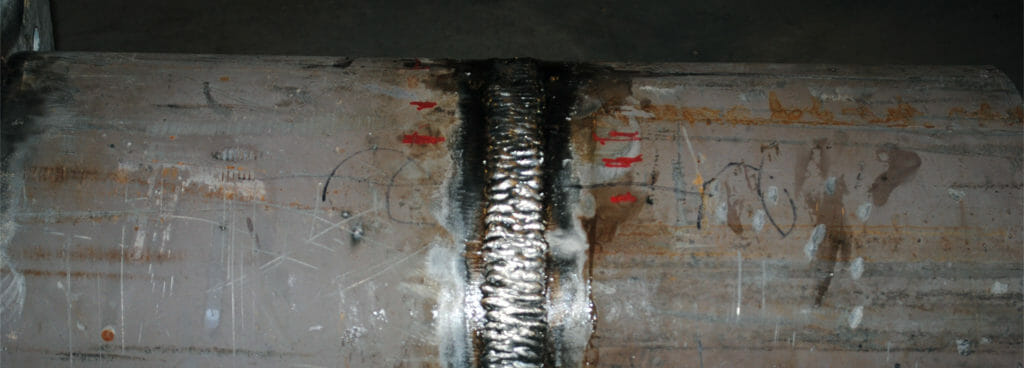
In addition, improvements in software program formulas for data evaluation have actually boosted the accuracy of defect detection and sizing. Automated ultrasonic testing systems currently provide high-resolution imaging, allowing comprehensive analyses of weld quality. These systems are typically integrated with innovative visualization tools, which facilitate the interpretation of outcomes.
Radiographic Evaluation Methods
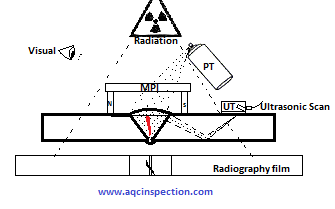
While ultrasonic screening technologies have actually established a high standard in non-destructive assessment, radiographic inspection methods remain to play an essential role in welding examination by providing unique insights into material stability. Radiographic testing (RT) utilizes making use of X-rays or gamma rays to penetrate products, developing a radiograph that aesthetically stands for the inner structure of a weld. This imaging capacity is very useful for discovering subsurface problems such as porosity, inclusions, and splits that might not show up with surface area inspections.
The procedure involves placing a radiation source on one side of the weld and a detector on the opposite side. Variants in product thickness and thickness influence the depletion of the rays, generating a contrasting photo that exactly delineates problems. RT is particularly advantageous for examining thick areas and intricate geometries where other techniques may drop brief.
Regardless of its effectiveness, radiographic inspection has to be conducted with rigorous adherence to safety protocols due to the unsafe nature of ionizing radiation. The analysis of radiographs needs experienced employees, as the high quality of the evaluation directly affects the reliability of the inspection. As a result, recurring innovations in digital radiography are enhancing photo clearness and interpretation efficiency, strengthening RT's crucial function in making certain weld quality.
Laser Scanning Developments
Accepting laser scanning modern technology in welding evaluation has actually revolutionized the assessment of weld quality and stability. Unlike standard examination strategies, laser scanning offers fast data purchase, considerably improving the efficiency and accuracy of weld look here examinations.
Laser scanning advances have resulted in considerable improvements in characterizing and identifying surface defects such as porosity, absence of combination, and undercuts. The high-resolution data makes it possible for examiners to execute extensive evaluations, making certain that welds satisfy strict industry criteria. Moreover, this approach sustains the advancement of electronic documents, facilitating long-lasting high quality assurance and traceability.
Additionally, laser scanning technology incorporates perfectly with software remedies created for automated problem detection and analysis. The resultant information can be conveniently shared and evaluated, promoting collective decision-making processes. As markets proceed to demand higher criteria for weld high quality, laser scanning continues to be at the leading edge, offering unequaled precision and effectiveness in welding evaluation.
Automated Inspection Solutions
Automated assessment systems provide the benefit of consistency, getting rid of human mistake and subjectivity from the evaluation process. They are created to run in numerous environments, from manufacturing click now floorings to remote area websites, guaranteeing detailed insurance coverage. Welding Inspection Madison. These systems can be configured to stick to specific welding criteria and requirements, offering thorough records and documentation for quality control objectives
In addition, the assimilation of cloud-based platforms facilitates the storage space and analysis of substantial amounts of assessment information. This enables fad analysis and anticipating maintenance, permitting makers to attend to prospective issues prior to they intensify. The adoption of computerized examination systems is a pivotal relocation in the direction of boosting the integrity and efficiency of welding processes in industrial applications.
Enhancing Security and Performance
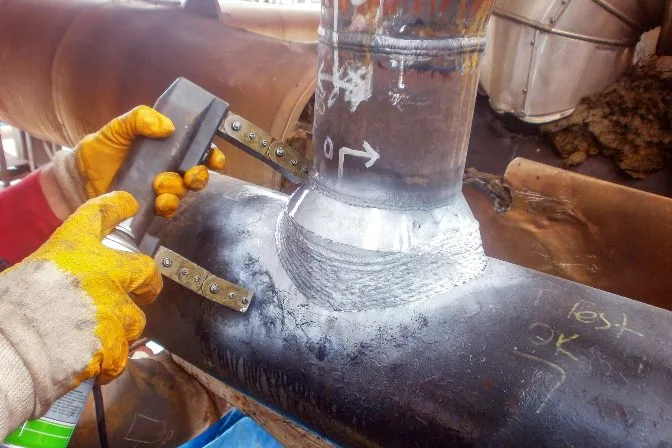
A significant aspect of enhancing security and effectiveness in welding assessment exists in the integration of innovative innovations that enhance procedures and minimize threats. The adoption of sophisticated non-destructive screening (NDT) methods, such as ultrasonic testing, phased array ultrasonic testing (PAUT), and radiographic testing, plays an essential function in making certain structural honesty without endangering the safety of the workers included. These techniques permit extensive evaluations with marginal downtime, reducing possible dangers linked with conventional methods.
Additionally, the implementation of real-time data analytics and artificial intelligence algorithms has actually changed the method assessment data is analyzed. By utilizing predictive analytics, potential issues can be recognized before they manifest into crucial failures, ensuring timely interventions and maintenance. This proactive technique substantially boosts functional effectiveness and safety and security in welding processes.
Furthermore, remote assessment modern technologies, including drones and robotic spiders equipped with high-resolution electronic cameras, allow inspectors to assess hard-to-reach locations without subjecting them to hazardous problems. This not only enhances assessment accuracy but additionally lessens human risk. By leveraging these innovative tools and approaches, markets can attain higher safety and security standards and functional efficiency, eventually causing even more reliable and sustainable welding inspection practices.
Final Thought
The integration of sophisticated devices and techniques in welding inspection considerably enhances flaw discovery and my website guarantees structural integrity. These innovations not just boost inspection performance yet also add to boosted safety and security and top quality assurance in commercial welding applications.

Ultrasonic screening advancements regularly represent the forefront of advancements in welding evaluation technologies.While ultrasonic testing advancements have actually established a high requirement in non-destructive evaluation, radiographic inspection methods continue to play an indispensable duty in welding inspection by offering distinct insights right into material stability.Welcoming laser scanning technology in welding assessment has reinvented the assessment of weld high quality and integrity. As markets proceed to demand higher criteria for weld top quality, laser scanning stays at the leading edge, offering unparalleled accuracy and effectiveness in welding assessment.
Automated assessment systems provide the benefit of consistency, eliminating human mistake and subjectivity from the examination process.